















After the recent arrest of the Venezuelan President, Nicolas Maduro, the Trump Administration has been facilitating connections with the Venezuelan oil companies to help rebuild the oil infrastructure. Trump states that this major change in Venezuela will bring economic prosperity and strategic advantages in the global geopolitical landscape.
In response, acting President Delcy Rodriguez delivered a state-of-the-union address in Caracas to make major changes to the country’s hydrocarbon laws. These changes are expected to loosen restrictions on foreign participation in Venezuela’s oil industry, resulting in expanded access for investments and future collaborations.
Taylor Rogers, a White House spokesperson, stated, “President Trump brokered a historic energy deal with Venezuela, immediately following the arrest of narco-terrorist Nicolás Maduro, that will benefit the American and Venezuelan people.” President Trump’s Administration is making investments in the Venezuelan oil industry with the goal of strengthening both economies. Additionally, Venezuela possesses one of the largest oil reserves in the world, with approximately 303 billion barrels of oil total. To expand, Venezuela produces 860,000 barrels of oil per day, which supporters argue could help offset the declining domestic oil production in the United States.
Although this may present economic advantages, critics argue that the deal was rushed and ethically questionable. Sen. Chris Murphy says, “You are taking their oil at gunpoint, you are holding and selling that oil … you’re deciding how and for what purposes that money is going to be used in a country of 30 million people,” Murphy said. “I think a lot of us believe that that is destined for failure.”
Secretary Marco Rubio states that Venezuela historically has benefited the country’s corrupt leaders and countries such as China, which purchased Venezuelan oil at a discount. Now, because of the recent change, interim leaders are assisting the U.S. In seizing illegal shipments, said Rubio. Additionally, the U.S. will impose certain restrictions on its investments, stating that it shall not be used on anything other than oil industries/anything related to oil. Some people, like Rubio, believe that this money could be used to support Venezuela’s historically bad health care system.
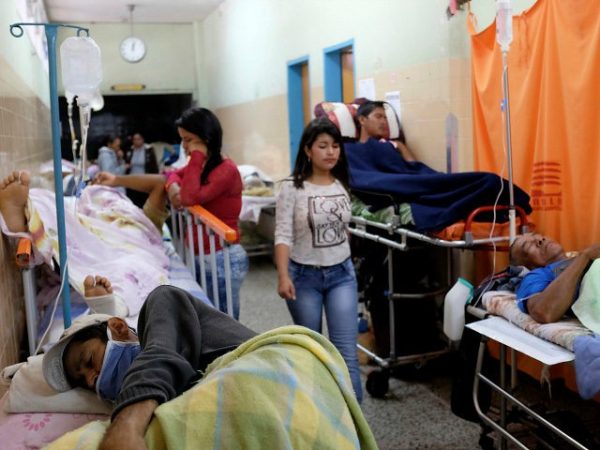
For example, some hospitals in Venezuela remain severely under-equipped, often requiring patients to bring their own equipment, from syringes to surgical tools. Some instances even go as far as paying for their lab and imaging at private hospitals, highlighting the poverty in Venezuela and whether the U.S. is really supporting Venezuela, or if it’s an operation to increase the economy.
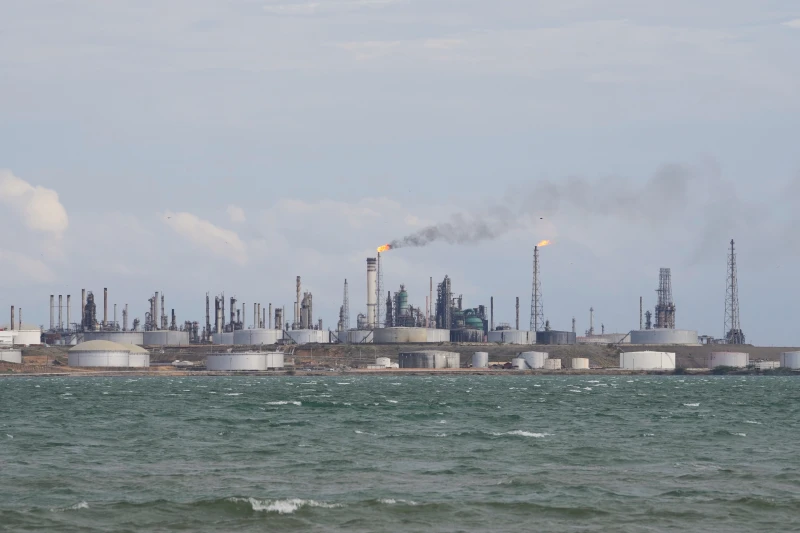
While the economic benefits and social considerations continue to conflict, the environmental consequences of expanding oil production remain largely overlooked. Venezuela’s oil industry relies heavily on the extraction of heavy crude, a process that is more energy-intensive and environmentally damaging than conventional oil drilling. As the foreign investment increases, inevitably, more drilling will eventually take place, leading to higher rates of refining and transportation demands. This raises concerns about deforestation, water contamination, and air pollution.
As both Venezuela and the United States of America claim to support their citizens and environmental safety, this agreement poses a question: can economic growth justify the poverty of Venezuelan citizens and environmental harm?