

















March is a relatively dull month, containing no national holidays- besides Saint Patrick’s Day. As most people know, it occurs on the 17th every March, and it is a primarily religious and celebratory holiday where people wear green and/or attend gatherings or public events, such as banquets, parades, or festivals. However, do you know who St. Patrick was, or why the holiday is named after him? Or how it ended up in the US? Or why we pinch others if they don’t wear green on that specific day?
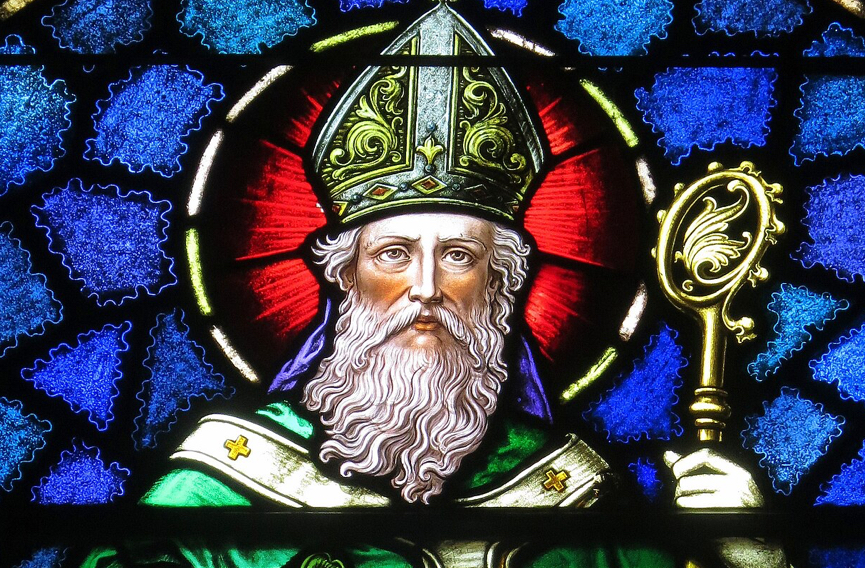
St. Patrick’s Day is named after St. Patrick, who was a Christian missionary during the 5th century and had a profound Christian impact on Ireland, despite it not being his home country. Instead, he was born in Roman Britain during the 4th century and was taken captive by Irish raiders as a teenager, where he experienced a religious awakening during his time as a slave in Ireland. Years later, he was able to return to Britain, but went back after he experienced a vision telling him to. He became a Christian missionary, spreading the religion throughout multiple Irish towns and soon became a prominent figure for Irish Christianity. He died on March 17th- the same day St. Patrick’s day falls on. This is because people commemorate priests’ deathdays instead of birthdays, as they believe that that is the day a priest or any other honored Christian gains eternal life through believing in Christianity. The earliest St. Patrick’s day was very spiritual and religious, rather than the festive holiday we know today.
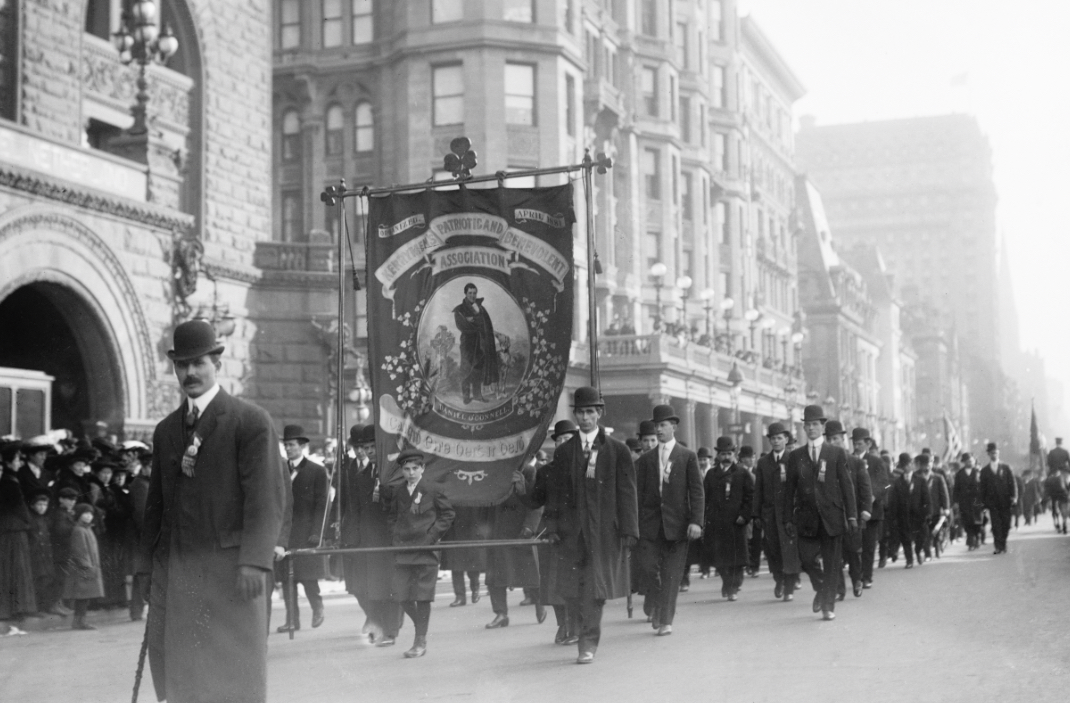
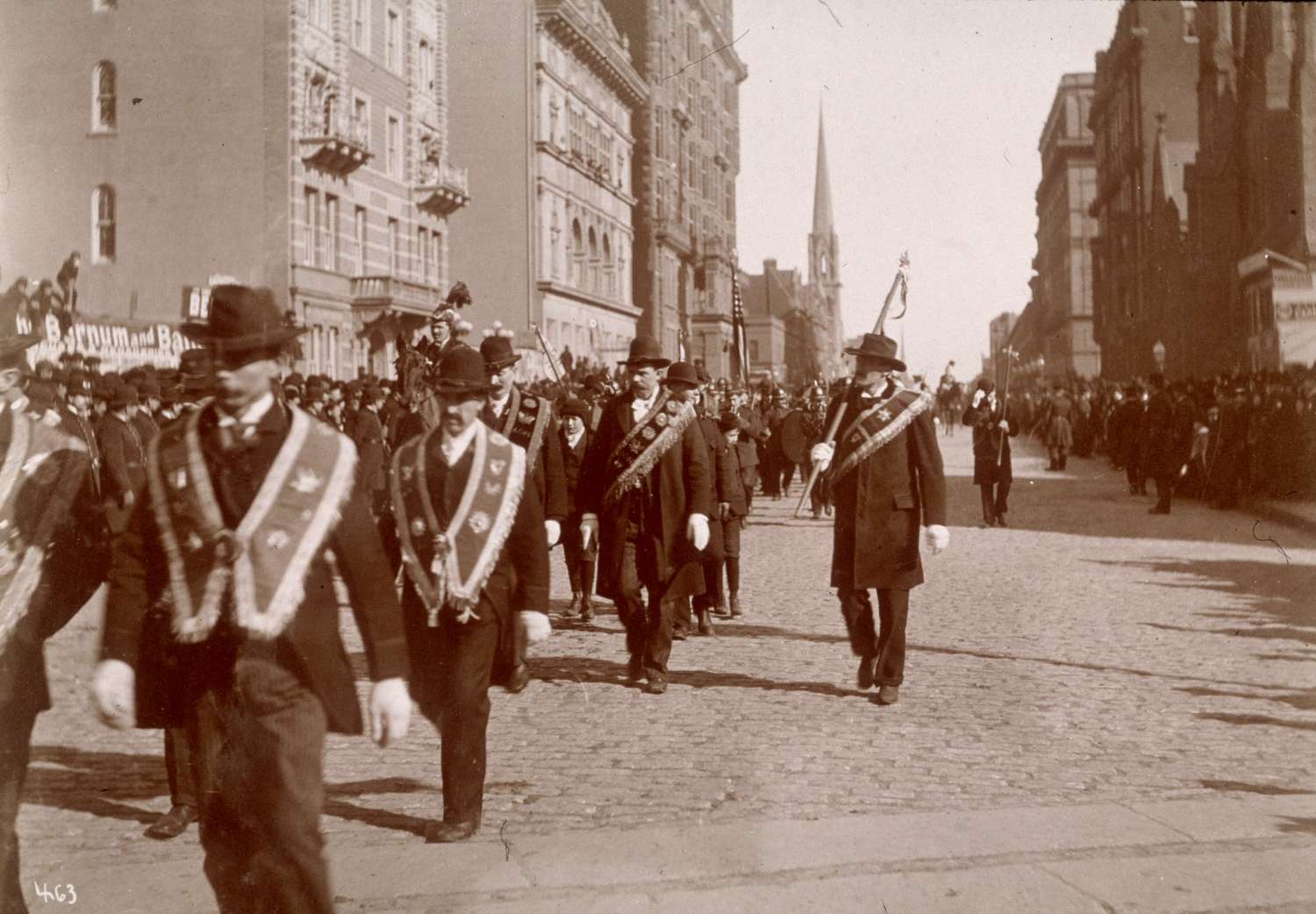
However, many of the traditions we normally see during this holiday did not originate in Ireland- rather, they were born in the United States. During the mid-19th century, many Irish people moved to the US mostly because of the Great Famine of 1845, but even in the US they faced discrimination and other hardships. Celebrating events like St. Patrick’s Day was a way for them to express their pride in their culture, and over time, these events spread past Irish communities and developed new, more festive and public variants, such as the parades and other festivals we see today!
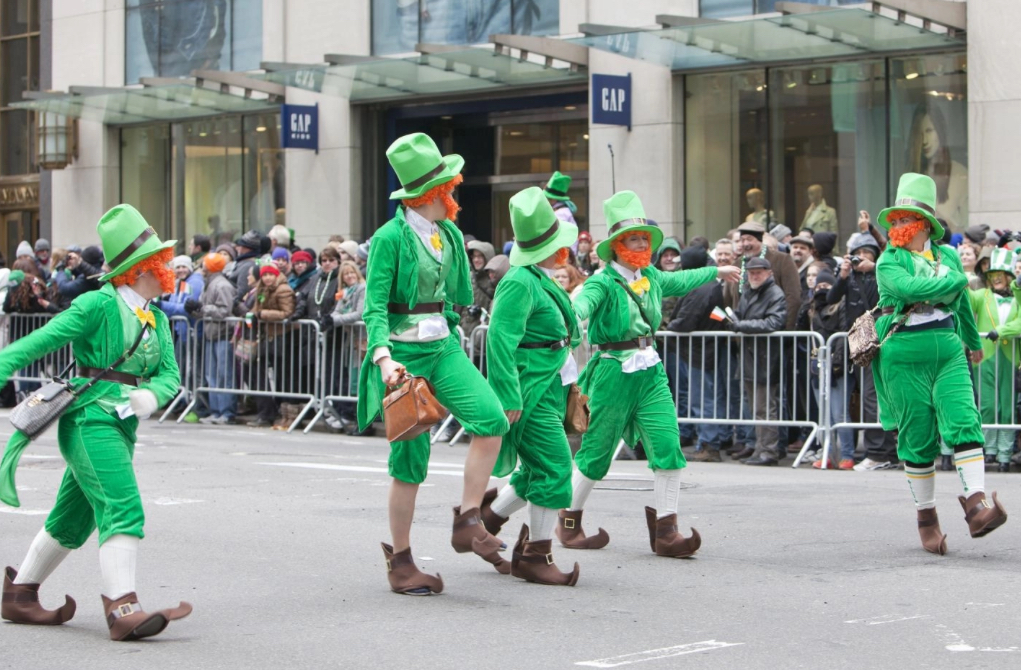
But what about wearing green, or pinching others if they don’t wear green? These simply come from folklore that originated in America. People believed that wearing green would make you invisible to leprechauns, who would pinch just about anyone they saw.
No matter what kind of holiday you see and observe St. Patrick’s Day as, whether religious or festive or even both, the celebration and its history captures how communities and culture can bond, persevere, or change over simple things, even in hard times- and that is still captured today. The most famous St. Patrick’s parade takes place in New York and attracts over 2 million people yearly!
How do you celebrate St. Patrick’s Day?