








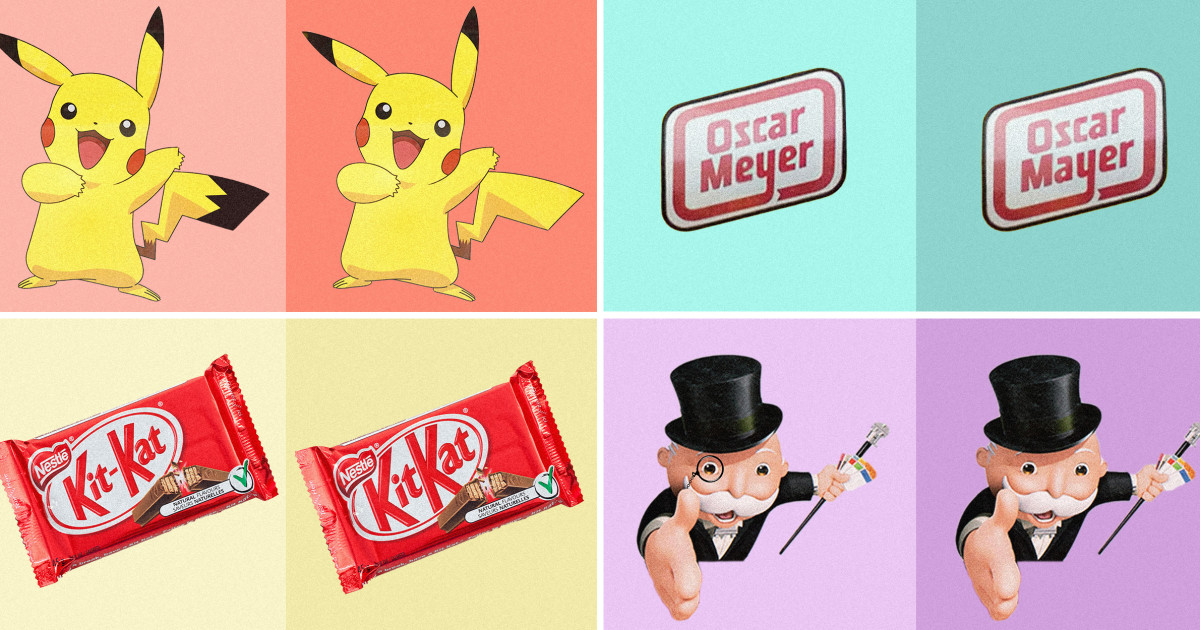
Have you ever heard of an Internet controversy that went along the lines of “Remember the robber emoji? Remember if Pikachu had a black tip at the end of its tail? Remember the seahorse emoji?” Notice something? None of these items or characteristics actually existed in the first place. But you remember them so clearly, right? Your friends remember that exact detail too? This occurrence is common enough that a term has been coined for this specific event- the Mandela effect. What is it? Why does it exist? And why did we name it after, presumably, the South African activist Nelson Mandela?
To understand what the Mandela effect is, we need to understand a false memory, the broader category of what a Mandela effect is. A false memory is when one person remembers something differently than how it actually was or remembers something that never actually happened. For example, say you watched a marathon. You remembered that you saw on the marathon’s informational website that the marathon would go 25 miles, but the marathon had really gone 26 miles instead. The “false memory” was the mistake in how far the marathon had actually gone. False memories can occur from mostly personal interpretation of an event- where someone was specifically located, misunderstanding a visual or auditory part of that event, or personal circumstances (e.g. that information wasn’t important to you since you weren’t taking part in that event).
Now take the general example of misreading the marathon distance, and imagine that a dozen or more people had read it as 25 miles. This is now an example of the Mandela effect, in which a collection of people remember something wrong. Some other examples of this have been documented online- one of the most well-documented examples of this involves a clock at a railway station bombing in Italy in 1980. People reported the clock stopped moving altogether right after the bombing. In reality, the clock had been repaired shortly after the bombing and later stopped to the exact minute of the bombing in 1996 as a commemoration of what happened. Other known examples are usually seen in electronic media, such as the Fruit of the Loom logo having a cornucopia (it never did), or the existence of specific emojis that never existed. In the 1990s, it went as far as hallucinating an entire movie! People thought a movie called Shaazam existed, but it didn’t and could have possibly been an amalgamation of other memories with movies and actors with similar names.

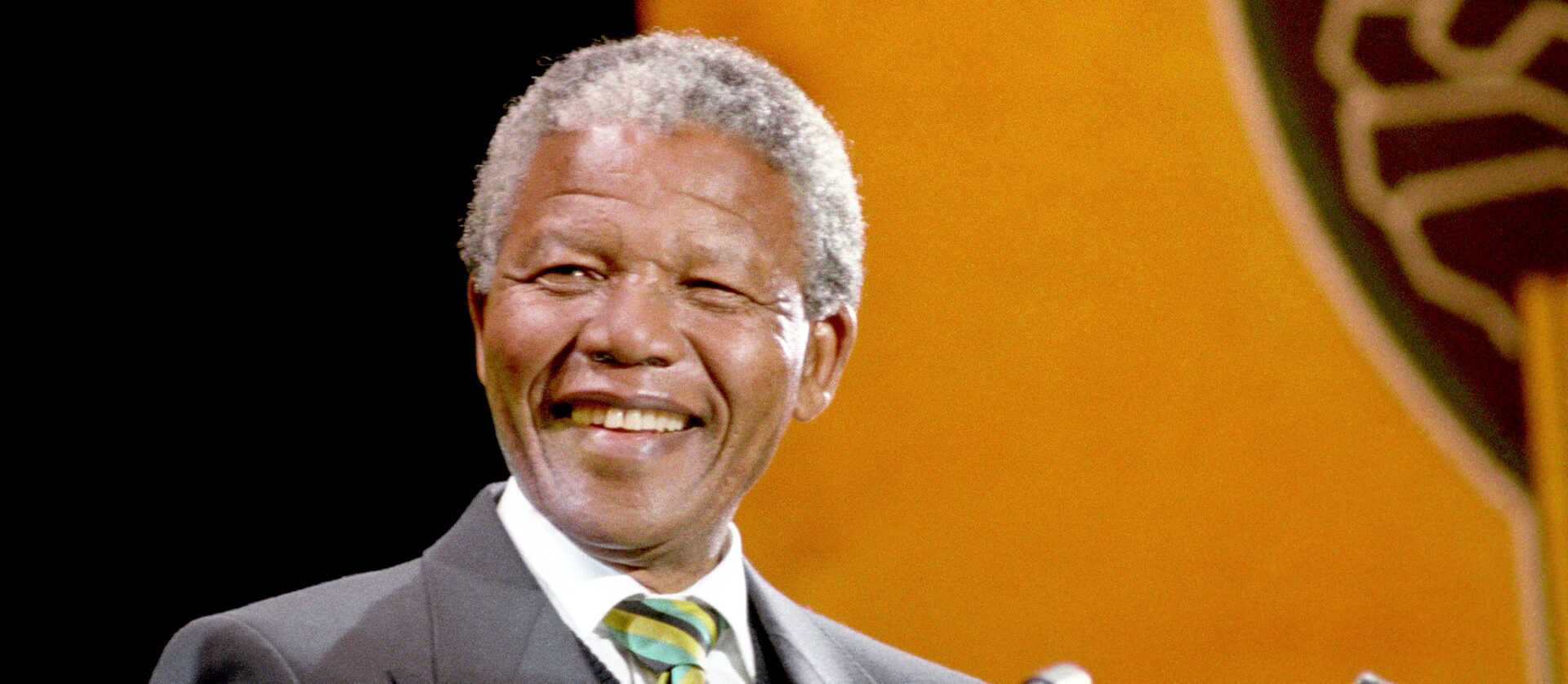
But why Mandela? This effect was in fact named after him after a paranormal scientist reported having vivid memories of Nelson Mandela dying in the 1980s while he was in prison (he really died in 2013, decades after his release and his South African presidency from 1994-1999). That scientist also reported that hundreds of other people had memories of that specific version of Mandela who died in the 80s. Since this was the first big example of many people having a collective false memory, it was marked as a “Mandela effect”.